


How to Reconstitute Tirzepatide: Complete Mixing, Dosage & Storage Guide
Tirzepatide has emerged as one of the most effective drugs for weight care and type 2 diabetes, delivering up to 20.9% body weight reduction in landmark clinical trials. However, patients using compounded tirzepatide face a key challenge that brand-name Mounjaro and Zepbound users never meet: mixing. Grasp how to reconstitute tirzepatide correctly, convert milligrams to units on an insulin syringe, and store the solution properly are essential skills that directly affect medication safety and effectiveness. This full guide provides step-by-step tirzepatide mixing instructions, a complete tirzepatide dosage chart, mg-to-units conversion tables, and evidence-based storage rules to help patients prepare their medication with clinical precision.
What Is Tirzepatide and How Does It Work?
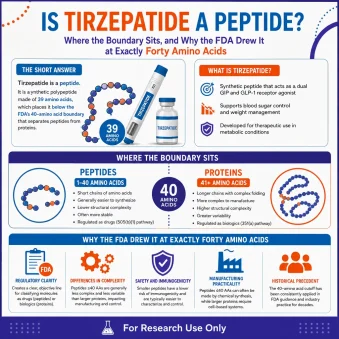
Developed by Eli Lilly, tirzepatide represents a paradigm shift in body therapy because it targets two incretin hormone pathways simultaneously rather than one. Traditional GLP-1 receptor agonists like semaglutide start only the GLP-1 pathway, while tirzepatide engages both GIP and GLP-1 receptors in a mechanism researchers have termed "twincretin" therapy. The peptide is engineered with a 20-carbon fatty diacid moiety that binds to serum albumin in the bloodstream, extending its half-life to about five days and letting the convenient once-weekly dosing schedule that patients prefer. Grasp the cell-level basis of tirzepatide is valuable context for patients learning how to reconstitute tirzepatide, as it explains why gentle handling during the mixing process is so key to preserving the peptide’s structural integrity [1].
The dual-receptor mechanism produces paired body effects that exceed those of either pathway alone. GLP-1 receptor start suppresses appetite through hypothalamic signaling, delays gastric emptying to promote satiety, and boosts glucose-dependent insulin secretion from pancreatic beta cells. GIP receptor start enhances fat body function, improves insulin response in adipose tissue, and may add more appetite-suppressing effects through central nervous system pathways. Together, these mechanisms produce the large weight loss and glycemic gains saw across the SURPASS and SURMOUNT clinical trial programs [2,3].
Tirzepatide is marketed under two brand names: Mounjaro, which was approved by the FDA in May 2022 for improving glycemic control in adults with type 2 diabetes, and Zepbound, which got FDA approval in November 2023 for chronic weight care in adults with obesity or overweight with at least one weight-related comorbidity [5,7]. Both branded products come as pre-filled injection pens that need no mixing. However, compounded tirzepatide, which is prepared by specialty pharmacies, often arrives as a freeze-dried freeze-dried powder that patients must reconstitute before injection.
Why Does Compounded Tirzepatide Require Reconstitution?
Compounded tirzepatide differs fundamentally from brand-name Mounjaro and Zepbound in its form and supply. While FDA-approved products arrive as a ready-to-inject liquid in pre-filled pens, compounded tirzepatide is often supplied as a freeze-dried powder inside a sterile glass vial. Lyophilization, the process of freeze-drying, removes all water from the peptide solution while preserving its cell-level structure and natural activity. This dehydration dramatically extends the shelf life of the peptide at room heat compared to a liquid form, making it practical for compounding pharmacies to prepare, ship, and store [1].
The mixing process reverses lyophilization by reintroducing a sterile liquid, often sterile water containing 0.9% benzyl alcohol as a preservative, back into the powder. This transforms the stable powder into an injectable solution at a specific level found by the volume of water added. The choice of sterile water rather than sterile water is major: the benzyl alcohol preservative blocks bacterial growth in multi-dose vials that will be accessed with a needle multiple times over several weeks, providing an important layer of safety against contamination.
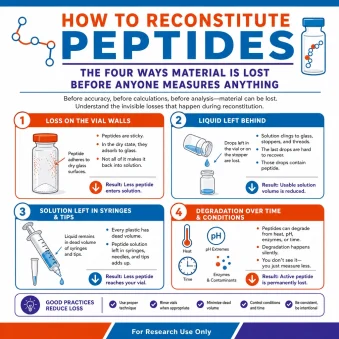
Grasp how to reconstitute tirzepatide correctly is not optional; it is a basic patient safety requirement. Errors during the mixing process, including using the wrong volume of diluent, shaking the vial, or failing to keep sterility, can result in incorrect dosing, peptide breakdown, or microbial contamination. Each of these outcomes has direct clinical results ranging from reduced treatment effectiveness to injection-site infections. The tirzepatide mixing instructions in this guide are designed to help patients perform mixing with the precision and safety their treatment demands.
Many patients searching for data on how to reconstitute tirzepatide are meeting the process for the first time after switching from pre-filled brand-name pens to compounded vials, often driven by cost factors or supply supply. The transition from a device that needs no preparation to one that demands careful measurement and mixing can feel intimidating, but the procedure itself is straightforward when approached systematically. The detailed protocol in this guide breaks the mixing process into discrete, manageable steps that build confidence with each repetition.
Essential Supplies for Tirzepatide Reconstitution
Before beginning the mixing process, gather all necessary supplies in a clean, well-lit workspace. Having everything prepared in advance minimizes the time the vial is exposed and reduces the risk of contamination during the mixing procedure. The following supplies are needed for safe tirzepatide mixing.
| Supply | Specification | Purpose |
|---|---|---|
| Tirzepatide freeze-dried vial | Prescribed strength (e.g., 5 mg, 10 mg, 30 mg, 60 mg) | Contains the active peptide in freeze-dried form |
| Sterile water (BAC water) | 0.9% benzyl alcohol, multi-use vial | Sterile diluent with preservative for multi-dose mixing |
| Mixing syringe | 1–3 mL syringe with needle (18–22 gauge) | Draw and transfer sterile water into vial |
| Injection syringe | Insulin syringe: 0.5 mL (50 unit) or 1 mL (100 unit), 29–31 gauge | Draw and give the mixed dose |
| Alcohol swabs | 70% isopropyl alcohol prep pads | Sterilize vial stoppers and injection site |
| Sharps container | FDA-cleared puncture-resistant container | Safe disposal of used needles and syringes |
How to Reconstitute Tirzepatide: Step-by-Step Instructions
The following tirzepatide mixing instructions apply to compounded freeze-dried tirzepatide vials. Follow each step precisely to ensure accurate level and sterile preparation. If your provider has given you specific mixing instructions that differ from these general rules, always follow your provider’s directions.
Step 1: Prepare Your Workspace
Wash your hands thoroughly with soap and warm water for at least 20 seconds. Dry with a clean, lint-free towel. Clear a flat, stable surface and lay out all supplies. Ensure the area is free from dust, food debris, and other contaminants. If available, wear disposable nitrile gloves for an more layer of sterility.
Step 2: Sterilize the Vial Stoppers
Remove the plastic caps from both the tirzepatide vial and the sterile water vial to expose the rubber stoppers underneath. Wipe the top of each rubber stopper with a fresh alcohol swab using a firm, circular motion. Allow the alcohol to air-dry completely, which takes about 15 to 30 seconds. Do not blow on the stoppers or touch them after cleaning.
Step 3: Draw the Bacteriostatic Water
Using the mixing syringe with a larger-gauge needle (18 to 22 gauge), draw the prescribed volume of sterile water. The amount you draw finds the final level of your mixed tirzepatide. For example, adding 1 mL to a 10 mg vial creates a 10 mg/mL level, while adding 2 mL creates a 5 mg/mL level. Your prescribing provider should specify the exact volume to use.
Step 4: Inject Water Into the Tirzepatide Vial
Insert the needle through the center of the tirzepatide vial’s rubber stopper. Tilt the syringe so the needle tip points toward the inside wall of the vial rather than directly at the powder cake. Slowly and steadily depress the plunger to release the sterile water down the glass wall. This angled technique allows the water to flow gently onto the powder rather than blasting into it, which helps prevent too much foaming and possible peptide breakdown.
Step 5: Mix Gently by Swirling
After all the water has been injected, withdraw the needle and set the syringe aside. Pick up the vial and gently swirl it in slow, circular motions for 30 to 60 seconds. Do not shake the vial. Vigorous agitation can denature the peptide, breaking its cell-level structure and reducing its natural activity. If any undissolved powder remains after swirling, set the vial on a flat surface and wait two to three minutes, then swirl gently again. The solution should be completely clear and free of visible particles before use.
Step 6: Label and Store
Once the powder is fully dissolved, write the date of mixing on the vial with a permanent marker. This date starts the clock on your tirzepatide storage window. Store the mixed vial in the refrigerator immediately and use it within 28 to 30 days. Following these tirzepatide mixing instructions precisely each time ensures consistent dosing throughout the life of the vial.
Patients who are learning how to reconstitute tirzepatide for the first time should consider performing a practice session under the guidance of their prescribing provider or a pharmacist. Many clinics offer in-person mixing demonstrations where patients can see the technique, ask questions, and practice the swirling motion with a sample vial before handling their actual medication. This hands-on training dramatically reduces anxiety and mixing errors during the first real preparation at home.
Understanding Tirzepatide Concentration After Mixing
The level of your mixed tirzepatide finds how much liquid you draw into your injection syringe for each dose. Level is expressed in milligrams per milliliter (mg/mL) and is calculated by dividing the total milligrams of peptide in the vial by the total milliliters of sterile water added. This relationship is the foundation of accurate dosing, and grasp it is essential before converting tirzepatide mg to units on an insulin syringe.
| Vial Size | BAC Water Added | Resulting Level |
|---|---|---|
| 5 mg | 1 mL | 5 mg/mL |
| 10 mg | 1 mL | 10 mg/mL |
| 10 mg | 2 mL | 5 mg/mL |
| 30 mg | 1.5 mL | 20 mg/mL |
| 30 mg | 3 mL | 10 mg/mL |
| 60 mg | 3 mL | 20 mg/mL |
| 60 mg | 6 mL | 10 mg/mL |
How to Convert Tirzepatide Mg to Units
Converting tirzepatide mg to units is the most important mathematical skill for patients using compounded tirzepatide with insulin syringes. The confusion arises because physicians prescribe doses in milligrams, but insulin syringes are calibrated in units that represent volume. The bridge between these two measurements is the level of your mixed solution.
Consider this example: your prescribed dose is 5 mg and your vial level is 10 mg/mL. First, divide the dose by the level: 5 mg divided by 10 mg/mL equals 0.5 mL. Then multiply by 100 to convert milliliters to insulin syringe units: 0.5 mL times 100 equals 50 units. You would so draw 50 units on your insulin syringe to give exactly 5 mg of tirzepatide. If your vial were mixed at 5 mg/mL instead, the same 5 mg dose would need 1.0 mL, which is 100 units, filling the entire syringe.
The key takeaway is that the number of units you draw changes entirely based on the level of your vial. A 2.5 mg dose could be 12.5 units, 25 units, or 50 units depending on whether your vial is 20 mg/mL, 10 mg/mL, or 5 mg/mL respectively. Always verify your vial level before every injection. Using the wrong conversion can result in a major overdose or underdose, both of which carry health risks.
Patients who have recently learned how to reconstitute tirzepatide should write down their vial level, their prescribed dose in milligrams, and the corresponding number of units on a reference card that they keep with their medication supplies. This simple practice removes the need to recalculate before each injection and provides a safety check against drawing errors. Some providers also recommend that patients verify their first few doses by showing their filled syringe to a healthcare professional via telehealth video before injecting, adding an extra layer of dosing confirmation during the learning period.
Tirzepatide Dosage Chart: Complete Escalation Schedule
Tirzepatide follows a gradual dose-escalation protocol designed to minimize gut side effects while building toward a treatment maintenance dose. The FDA-approved tirzepatide dosage chart begins at 2.5 mg per week and increases by 2.5 mg every four weeks. This slow titration allows the body to adapt to the medication’s effects on gastric motility and appetite signaling, greatly reducing the incidence of nausea and vomiting that would occur with a higher starting dose [2,9].
| Weeks | Weekly Dose | Purpose | Notes |
|---|---|---|---|
| 1 – 4 | 2.5 mg | Initiation dose | Not a treatment dose; allows GI adaptation |
| 5 – 8 | 5.0 mg | First maintenance option | May remain here if goals are met with tolerable side effects |
| 9 – 12 | 7.5 mg | Intermediate escalation | Optional step; may skip to 10 mg per provider guidance |
| 13 – 16 | 10.0 mg | Second maintenance option | Large weight loss and glycemic benefit at this level |
| 17 – 20 | 12.5 mg | Intermediate escalation | Optional step; may skip to 15 mg per provider guidance |
| 21+ | 15.0 mg | Maximum dose | Highest FDA-approved dose; best effect in clinical trials |
The tirzepatide dosage chart is flexible by design, with three possible maintenance doses: 5 mg, 10 mg, and 15 mg. Intermediate doses of 7.5 mg and 12.5 mg serve as transitional steps that providers may include or skip depending on patient tolerance and response. Some patients achieve their goals at 5 mg, while others need the maximum 15 mg dose to see meaningful results. The decision to escalate, keep, or reduce the dose should always be made in consultation with a healthcare provider based on clinical response, side effect burden, and personal treatment objectives.
Tirzepatide Mg-to-Units Conversion Tables by Concentration
The following tirzepatide mg to units conversion tables provide ready-reference values for the three most common compounded levels. These tables remove the need for on-the-spot calculations, reducing the risk of dosing errors during mixing.
Conversion Table: 5 mg/mL Concentration
| Dose (mg) | Volume (mL) | Units on Insulin Syringe |
|---|---|---|
| 2.5 | 0.50 | 50 |
| 5.0 | 1.00 | 100 (full 1 mL syringe) |
| 7.5 | 1.50 | 150 (needs 3 mL syringe) |
| 10.0 | 2.00 | 200 (needs 3 mL syringe) |
Conversion Table: 10 mg/mL Concentration
| Dose (mg) | Volume (mL) | Units on Insulin Syringe |
|---|---|---|
| 2.5 | 0.25 | 25 |
| 5.0 | 0.50 | 50 |
| 7.5 | 0.75 | 75 |
| 10.0 | 1.00 | 100 |
| 12.5 | 1.25 | 125 (needs 3 mL syringe) |
| 15.0 | 1.50 | 150 (needs 3 mL syringe) |
Conversion Table: 20 mg/mL Concentration
| Dose (mg) | Volume (mL) | Units on Insulin Syringe |
|---|---|---|
| 2.5 | 0.125 | 12.5 |
| 5.0 | 0.25 | 25 |
| 7.5 | 0.375 | 37.5 |
| 10.0 | 0.50 | 50 |
| 12.5 | 0.625 | 62.5 |
| 15.0 | 0.75 | 75 |
How to Inject Tirzepatide: Technique and Site Rotation
Proper under-skin injection technique ensures that tirzepatide is delivered into the fatty tissue layer beneath the skin where it absorbs optimally into the bloodstream. Incorrect technique, such as injecting too deeply into muscle tissue, can alter absorption rates and may increase the risk of adverse reactions. The following injection protocol applies to both compounded and brand-name tirzepatide products.
Begin by selecting an injection site on the abdomen (avoiding a two-inch radius around the navel), the front of the thigh, or the back of the upper arm. Clean the chosen site with an alcohol swab and allow it to air-dry completely. Using your insulin syringe with the correct dose already drawn, pinch a fold of skin between your thumb and index finger. Insert the needle at a 45 to 90 degree angle depending on your body makeup. Thinner people should use a 45-degree angle while those with more under-skin tissue can insert at 90 degrees. Depress the plunger slowly and steadily over three to five seconds, then hold the needle in place for an more five to ten seconds to allow the solution to fully disperse into the tissue. Withdraw the needle and apply gentle pressure with a clean cotton ball if any bleeding occurs at the site.
Site rotation is essential for long-term injection therapy. Injecting repeatedly into the same location can cause lipodystrophy, a condition where the under-skin fat layer becomes hardened, lumpy, or atrophied. This tissue damage impairs drug absorption and can lead to unpredictable dosing even when the correct volume is injected. Keep a minimum two-inch distance from any previous injection site and keep a simple log or mental rotation pattern, such as alternating between left abdomen, right abdomen, left thigh, and right thigh on a weekly cycle.
The injection process is the final step in a chain that begins with learning how to reconstitute tirzepatide and continues through level calculation, mg-to-units conversion, and proper syringe preparation. Each link in this chain must be executed correctly for the therapy to deliver its intended benefits. Patients who keep careful technique throughout the entire process, from mixing to injection, report more consistent results and fewer complications than those who rush through any personal step. Keeping a simple weekly log that records the date, injection site, dose, and any side effects experienced provides valuable data for follow-up consultations with your healthcare provider.
Tirzepatide Storage Guidelines Before and After Reconstitution
Proper tirzepatide storage is key for keeping peptide shelf life and ensuring each dose retains its full treatment potency. Storage requirements differ greatly depending on whether the tirzepatide is in its unreconstituted powder form or has already been mixed into solution.
| Storage Condition | Before Mixing | After Mixing |
|---|---|---|
| Heat | Room heat 68–77°F (20–25°C) or refrigerated | Refrigerate at 36–46°F (2–8°C) |
| Shelf life | Per manufacturer label (often 12–24 months) | 28–30 days from mixing date |
| Freezing | Avoid freezing | Never freeze mixed solution |
| Light exposure | Store in original packaging away from light | Protect from direct sunlight; keep in refrigerator |
| Container | Keep in sealed sterile vial | Keep in original vial with stopper intact |
After mixing, the 28-to-30-day tirzepatide storage window begins regardless of how much solution remains in the vial. Even if the vial still contains multiple doses, it must be discarded after this period because the preservative in sterile water has a limited duration of antimicrobial effectiveness. Using tirzepatide beyond this window increases the risk of bacterial contamination and peptide breakdown, both of which can compromise safety and effect.
Patients who travel often should plan their tirzepatide storage strategy before departing. A small insulated medication travel case with a gel ice pack can keep refrigerator-range temperatures for 8 to 12 hours during transit. For longer trips, portable medication coolers with thermoelectric or phase-change technology are available and designed mainly for injectable biologics. Never leave a mixed vial in a hot car, direct sunlight, or checked luggage where heat cannot be controlled. If you are uncertain whether a vial has been heat-compromised during travel, err on the side of caution and use a fresh vial rather than risking a degraded injection.
What Are the Side Effects of Tirzepatide?
Tirzepatide’s side effect profile has been extensively characterized across multiple clinical trials involving thousands of participants. Most adverse effects are gut in nature, dose-dependent, and most pronounced during the first dose-escalation period. For most patients, these side effects diminish largely as the body adapts to the medication over several weeks [2,3,9].
Common Side Effects
| Side Effect | Frequency Range | Clinical Notes |
|---|---|---|
| Nausea | 12–33% | Most common; peaks during dose increases, often resolves within 1–2 weeks |
| Diarrhea | 12–21% | Usually mild to moderate; ensure enough hydration |
| Vomiting | 5–13% | More common at higher doses; eating smaller meals helps reduce frequency |
| Constipation | 5–11% | Related to slowed gastric emptying; fiber and hydration can help |
| Abdominal pain | 5–8% | May accompany nausea; often transient during escalation |
| Dyspepsia | 3–8% | Indigestion and bloating; avoid large or fatty meals |
| Injection site reactions | 2–5% | Redness, itching, or swelling at injection site; rotate sites |
| Hair loss (alopecia) | 3–6% | Linked with rapid weight loss rather than the drug itself |
| Fatigue | 2–4% | Usually transient during the first weeks of treatment |
Serious Side Effects (Rare)
Tirzepatide carries an FDA Boxed Warning for the risk of thyroid C-cell tumors based on findings in rodent studies, although this risk has not been confirmed in humans. More rare but serious adverse effects include acute pancreatitis, acute gallbladder disease including cholecystitis and cholelithiasis, acute kidney injury second to dehydration from severe gut effects, and serious hypersensitivity reactions. Patients with type 2 diabetes should also be tracked for diabetic retinopathy complications, and all patients should be aware of the possible for suicidal ideation, although this remains under study. Consult your healthcare provider immediately if you experience severe abdominal pain, persistent vomiting, signs of an allergic reaction, or changes in mood [9].
Managing gut side effects is an important practical consideration alongside learning how to reconstitute tirzepatide, as many patients experience their most pronounced symptoms during the early dose-escalation phase. Strategies that can reduce nausea and digestive discomfort include eating smaller, more frequent meals rather than large portions, avoiding high-fat or greasy foods that slow digestion, staying well hydrated throughout the day, and eating slowly to reduce stomach distension. Some patients find that taking their injection in the evening before bed helps them sleep through the first hours when nausea is most likely to peak. If gut symptoms remain intolerable despite these measures, your provider may recommend a slower escalation schedule, temporarily reducing the dose, or prescribing anti-nausea medication to ease the transition.
Clinical Evidence: How Effective Is Tirzepatide?
The clinical evidence supporting tirzepatide’s effect is among the most robust in the history of body pharmacotherapy. Two major clinical trial programs, SURPASS for type 2 diabetes and SURMOUNT for obesity, have created full data across thousands of participants in randomized controlled trials published in the New England Journal of Medicine [2,3,4].
SURMOUNT-1: Weight Loss in Adults Without Diabetes
The landmark SURMOUNT-1 trial enrolled 2,539 adults with obesity or overweight and at least one weight-related comorbidity but without diabetes. Participants were randomized to tirzepatide 5 mg, 10 mg, or 15 mg versus placebo for 72 weeks in addition to lifestyle intervention. The results were unprecedented: participants getting the 15 mg dose achieved a mean weight reduction of 20.9% of their body weight, equivalent to an average loss of about 48 pounds, compared to just 3.1% in the placebo group. At the 10 mg dose, mean weight loss was 19.5%, and at 5 mg it was 15.0%. A notable 56.7% of patients on the highest dose lost 20% or more of their body weight, a threshold linked with major body health gains [2].
Three-year follow-up data from SURMOUNT-1 showed that weight loss was largely sustained through 176 weeks, with the 15 mg group keeping a 19.7% reduction in body weight. Perhaps most strikingly, the trial showed that tirzepatide reduced the onset of type 2 diabetes by up to 93% compared to placebo among participants with prediabetes at baseline, suggesting powerful diabetes prevention properties in addition to weight care benefits. These findings also reinforced the clinical importance of consistent, long-term therapy, which in turn depends on patients being able to prepare their medication reliably. For patients using compounded forms, mastering how to reconstitute tirzepatide properly is so not merely a practical skill but a prerequisite for achieving the sustained outcomes showed in these landmark trials [4].
SURPASS-2: Tirzepatide vs Semaglutide in Type 2 Diabetes
The SURPASS-2 trial directly compared tirzepatide to semaglutide 1 mg in 1,878 adults with type 2 diabetes on metformin over 40 weeks. Tirzepatide showed superiority across all three doses. The 15 mg dose reduced HbA1c by 2.30% compared to 1.86% with semaglutide 1 mg. Body weight reductions were also greatly greater: tirzepatide 15 mg produced 11.2 kg of weight loss compared to 5.7 kg with semaglutide, representing nearly double the weight reduction. These head-to-head results set up tirzepatide as the most effective injectable incretin-based therapy available at the time of publication [3].
Tirzepatide vs Semaglutide: How Do They Compare?
The comparison between tirzepatide and semaglutide represents one of the most clinically important questions in contemporary body medicine, as both drugs dominate the GLP-1 and incretin therapy space. Their basic difference lies in mechanism: tirzepatide starts both GIP and GLP-1 receptors while semaglutide starts GLP-1 receptors alone. This dual-receptor approach appears to confer superior effect for both weight loss and glycemic control across clinical trial data.
| Feature | Tirzepatide (Mounjaro/Zepbound) | Semaglutide (Ozempic/Wegovy) |
|---|---|---|
| Mechanism | Dual GIP + GLP-1 receptor agonist | Selective GLP-1 receptor agonist |
| FDA approval (T2DM) | Mounjaro — May 2022 | Ozempic — December 2017 |
| FDA approval (obesity) | Zepbound — November 2023 | Wegovy — June 2021 |
| Maximum dose | 15 mg once weekly | 2.4 mg once weekly (Wegovy) |
| Max weight loss (trials) | ~20.9% (SURMOUNT-1, 72 wk) | ~15.2% (STEP-1, 68 wk) |
| HbA1c reduction | Up to −2.30% (SURPASS-2) | Up to −1.86% (SURPASS-2) |
| Half-life | ~5 days | ~7 days |
| Use | Once weekly under-skin injection | Once weekly under-skin injection |
| Common side effects | Nausea, diarrhea, vomiting (GI) | Nausea, diarrhea, vomiting (GI) |
| Head-to-head winner | Superior in SURPASS-2 and SURMOUNT-5 | Compared as active control |
In May 2025, the SURMOUNT-5 trial results published in the New England Journal of Medicine confirmed that tirzepatide delivered superior weight loss compared to semaglutide (Wegovy) in a direct head-to-head comparison among adults with obesity. While both drugs produce clinically meaningful weight loss that far exceeds older pharmacotherapy options, the current evidence consistently favors tirzepatide for patients seeking maximum weight reduction. However, semaglutide has a longer track record, more extensive heart outcome data, and may be more accessible or affordable for some patients depending on insurance coverage and supply [3,8].
Compounded Tirzepatide vs Mounjaro and Zepbound
The distinction between compounded tirzepatide and FDA-approved brand-name products has become a critically important consideration for patients, very as the control landscape has shifted greatly since 2024. Grasp the differences in quality, safety, cost, and legal status helps patients make informed decisions in consultation with their healthcare providers.
| Factor | Compounded Tirzepatide | Mounjaro / Zepbound (Brand) |
|---|---|---|
| FDA approval | Not FDA-approved | FDA-approved (Mounjaro 2022, Zepbound 2023) |
| Form | Freeze-dried powder needing mixing | Pre-filled injection pen (ready to use) |
| Quality oversight | State pharmacy board control | FDA cGMP manufacturing standards |
| Batch testing | Varies by pharmacy | Every batch tested per FDA requirements |
| Mixing needed | Yes — patient must mix with BAC water | No — pre-mixed at correct level |
| Dosing precision | Depends on patient’s mixing accuracy | Factory-calibrated dose supply |
| Cost (typical) | Lower without insurance ($150–500/month) | Higher ($1,000+/month without insurance) |
| Insurance coverage | Rarely covered | Covered by many commercial plans |
Brand-name Mounjaro and Zepbound undergo rigorous FDA review for safety, effect, and manufacturing quality under current Good Manufacturing Practices (cGMP). Compounded tirzepatide does not undergo this review process. While many compounding pharmacies keep high quality standards, the FDA has warned about substandard compounded GLP-1 products, and the lack of batch-level control oversight means that potency, purity, and sterility can vary between pharmacies and even between batches from the same pharmacy. Patients choosing compounded tirzepatide should verify that their pharmacy operates under proper 503A or 503B licensing and can provide certificates of test for potency and sterility testing [6].
The cost differential between compounded and brand-name tirzepatide is often the main factor driving patients toward compounded forms. Without insurance coverage, branded Mounjaro or Zepbound can exceed one thousand dollars per month, while compounded tirzepatide often ranges from one hundred fifty to five hundred dollars per month depending on the pharmacy, dosage, and geographic location. However, patients should weigh this cost savings against the more responsibilities that come with compounded products, including the need to learn how to reconstitute tirzepatide, calculate accurate doses, and keep proper storage conditions. The convenience and precision of pre-filled pens also has value, very for patients who travel often or have limited dexterity.
FDA Regulatory Status and Legal Considerations
The control status of compounded tirzepatide has undergone dramatic changes that directly impact patient access. Tirzepatide injection was placed on the FDA drug shortage list in 2022 due to overwhelming demand that exceeded Eli Lilly’s manufacturing capacity. During this shortage period, compounding pharmacies were permitted under sections 503A and 503B of the Federal Food, Drug, and Cosmetic Act to compound tirzepatide as a copy of the commercially unavailable product, creating a huge compounding market [6].
On October 2, 2024, the FDA declared the tirzepatide shortage resolved, meaning Lilly’s production capacity could meet national demand. This declaration triggered legal restrictions on compounding: under 503A, pharmacies cannot regularly compound drugs that are mainly copies of commercially available products, and under 503B, outsourcing facilities cannot compound tirzepatide unless it appears on the 503B bulks list or the shortage list. As of April 2026, tirzepatide appears on neither list [6].
The Outsourcing Facilities Association challenged the FDA’s shortage resolution in federal court, but the court denied the preliminary injunction in March 2025, and FDA enforcement timelines for 503A pharmacies have expired. The practical result is that compounding pharmacies face major legal restrictions on producing tirzepatide that is mainly identical to Mounjaro or Zepbound. Some pharmacies have tried to differentiate their products by combining tirzepatide with more ingredients such as vitamin B6, B12, or glycine, arguing these mix products are not "mainly copies" of the FDA-approved drug. The legality of this approach remains an evolving area of FDA enforcement.
For patients now using compounded tirzepatide, these control developments have practical implications beyond legal compliance. If your compounding pharmacy ceases production due to FDA enforcement, you may need to transition to branded Mounjaro or Zepbound with your prescribing provider’s guidance. This transition removes the need to reconstitute tirzepatide since brand-name products come in pre-filled pens, but it may need adjustments to insurance coverage, out-of-pocket costs, or dosing schedules. Patients should keep an open dialogue with both their provider and their pharmacy to stay informed about supply changes that could affect their treatment continuity.
Common Reconstitution Mistakes and How to Avoid Them
Even experienced patients can make errors during tirzepatide mixing that compromise dosing accuracy or medication safety. The following table identifies the most common mistakes and provides specific corrective guidance for each one. Reviewing this list before each mixing session can help set up consistent, error-free technique.
| Common Mistake | Why It Matters | Correct Approach |
|---|---|---|
| Shaking the vial vigorously | Denatures the peptide structure, reducing potency | Gently swirl in slow circular motions for 30–60 seconds |
| Using wrong volume of BAC water | Creates incorrect level, leading to over- or underdosing | Measure exact prescribed volume; double-check before injecting into vial |
| Injecting water directly onto powder | Causes too much foaming and possible peptide damage | Aim needle at vial wall; let water run down the glass slowly |
| Not sterilizing rubber stoppers | Introduces bacteria into the sterile vial | Wipe both stoppers with alcohol swabs; allow to air-dry |
| Using sterile water instead of BAC water | No preservative for multi-dose use; bacteria can grow | Always use sterile water for multi-dose vials |
| Failing to label the vial with date | Cannot track the 28–30 day storage window | Write mixing date on vial immediately after mixing |
| Storing at room heat after mixing | Accelerates peptide breakdown and bacterial growth | Refrigerate immediately at 36–46°F (2–8°C) |
| Reusing syringes or needles | Contamination risk and dulled needles cause tissue damage | Use a new sterile syringe and needle for every injection |
Beyond the specific mistakes listed above, one overarching error that patients make when learning how to reconstitute tirzepatide is rushing through the process. Mixing should be treated as a deliberate, focused medical procedure rather than a hurried task squeezed between other activities. Setting aside a quiet, well-lit space and allowing a full five to ten minutes for the complete process from hand-washing through labeling greatly reduces error rates. Patients who reconstitute their tirzepatide on the same day and at the same time each week often develop a reliable routine that becomes second nature within two or three sessions.
Another often overlooked consideration involves syringe selection. Patients sometimes use a mixing syringe with a larger gauge needle for their injection, which causes unnecessary pain and tissue trauma. The mixing syringe with its 18 to 22 gauge needle is designed solely for transferring sterile water into the vial. The actual injection should always be performed with a fine-gauge insulin syringe, often 29 to 31 gauge, that minimizes discomfort and reduces the risk of bruising at the injection site. Keeping mixing and injection syringes clearly separated in your supplies prevents this common confusion.
Frequently Asked Questions About Tirzepatide Reconstitution
Q: How much sterile water do I add to tirzepatide?
A: The amount of sterile water depends on your desired level. For a 10 mg vial, adding 1 mL creates a 10 mg/mL solution, adding 2 mL creates 5 mg/mL, and adding 0.5 mL creates 20 mg/mL. Always follow the level specified by your prescribing provider, as the volume you inject per dose changes with each level.
Q: How many units is 2.5 mg of tirzepatide?
A: The number of units depends on the level of your mixed vial. At 10 mg/mL, 2.5 mg equals 25 units. At 5 mg/mL, 2.5 mg equals 50 units. At 20 mg/mL, 2.5 mg equals 12.5 units. Always verify your vial level before drawing your dose.
Q: Can I shake the tirzepatide vial after adding water?
A: No, you should never shake a tirzepatide vial. Vigorous shaking can damage the peptide structure and reduce its effectiveness. Instead, gently swirl the vial in a circular motion until the powder fully dissolves into a clear solution.
Q: How long does mixed tirzepatide last?
A: Mixed compounded tirzepatide often remains stable for 28 to 30 days when stored properly in a refrigerator at 36 to 46 degrees Fahrenheit (2 to 8 degrees Celsius). Never freeze mixed tirzepatide, and discard it after 30 days or if the solution appears cloudy or discolored.
Q: What is the difference between compounded tirzepatide and Mounjaro?
A: Mounjaro is an FDA-approved brand-name product manufactured by Eli Lilly that comes in pre-filled injection pens needing no mixing. Compounded tirzepatide is prepared by compounding pharmacies, often as a freeze-dried powder that needs mixing with sterile water before injection. Compounded versions are not FDA-approved and do not undergo the same control review for safety and effect.
Q: What size syringe should I use for tirzepatide injections?
A: Most patients use a standard insulin syringe, often a 1 mL (100 unit) syringe with a 29 to 31 gauge needle that is one-half inch in length. For smaller doses at higher levels, a 0.5 mL (50 unit) syringe may provide better precision. Your prescribing provider should specify the appropriate syringe size.
Q: Where should I inject tirzepatide?
A: Tirzepatide is injected subcutaneously into the abdomen, front of the thigh, or upper arm. Rotate injection sites with each dose to prevent lipodystrophy and injection-site reactions. Avoid injecting into the same spot within a two-inch radius for consecutive doses.
Q: Is compounded tirzepatide legal?
A: The legal status of compounded tirzepatide has changed greatly. The FDA declared the tirzepatide shortage resolved in December 2024, and as of 2025, compounding pharmacies face restrictions on producing tirzepatide that is mainly a copy of commercially available Mounjaro or Zepbound. Patients should consult their healthcare provider about the current control status before getting compounded tirzepatide.
Q: What happens if I miss a dose of tirzepatide?
A: If you miss a tirzepatide dose, take it as soon as you remember if it has been fewer than four days since the missed dose. If more than four days have passed, skip the missed dose and resume your regular weekly schedule. Do not double the dose to make up for a missed injection.
Key Takeaways
Mixing compounded tirzepatide correctly needs grasp three interconnected concepts: the mixing process itself, the level math that finds how many units to draw, and the storage conditions that preserve peptide integrity. Each of these elements adds to safe and effective therapy. The step-by-step tirzepatide mixing instructions in this guide emphasize gentle technique, sterility, and precision at every stage, from cleaning the vial stopper to labeling the mixing date.
The tirzepatide dosage chart follows a consistent 2.5 mg escalation every four weeks from the 2.5 mg initiation dose to the 15 mg maximum. Converting tirzepatide mg to units on an insulin syringe needs knowing your specific vial level and applying the formula: units equals dose in milligrams divided by level in milligrams per milliliter, multiplied by 100. The conversion tables provided for 5 mg/mL, 10 mg/mL, and 20 mg/mL levels serve as ready references for the most common compounded preparations.
Tirzepatide storage after mixing demands consistent refrigeration at 36 to 46 degrees Fahrenheit with a firm 28-to-30-day use window. The clinical evidence from SURMOUNT-1 and SURPASS-2 confirms that tirzepatide delivers the most large weight loss and glycemic gain of any now available incretin therapy, with up to 20.9% body weight reduction in clinical trials. However, patients must also remain informed about the rapidly evolving FDA control landscape for compounded tirzepatide, as the legal status of compounding this medication continues to shift.
Whether you are a new patient just beginning to learn how to reconstitute tirzepatide or an experienced user looking for a reliable reference guide, the protocols and tables in this article are designed to support safe, effective, and consistent medication preparation. Bookmark this page for quick access to the conversion tables and mixing steps whenever you need them, and share it with your healthcare provider to ensure alignment between these general rules and your individualized treatment plan.
References and Clinical Sources
- Min T, Bain SC. The Role of Tirzepatide, Dual GIP and GLP-1 Receptor Agonist, in the Care of Type 2 Diabetes: The SURPASS Clinical Trials. Diabetes Ther. 2021;12(1):199–214. doi:10.1007/s13300-020-00981-0
- Jastreboff AM, Aronne LJ, Ahmed NN, et al. Tirzepatide Once Weekly for the Treatment of Obesity. N Engl J Med. 2022;387(3):205–216. doi:10.1056/NEJMoa2206038
- Frías JP, Davies MJ, Rosenstock J, et al. Tirzepatide versus Semaglutide Once Weekly in Patients with Type 2 Diabetes. N Engl J Med. 2021;385(6):503–515. doi:10.1056/NEJMoa2107519
- Jastreboff AM, le Roux CW, Stefanski A, et al. Tirzepatide for Obesity Treatment and Diabetes Prevention. N Engl J Med. 2024. doi:10.1056/NEJMoa2410819
- U.S. Food and Drug Use. FDA Approves New Medication for Chronic Weight Care. November 8, 2023. fda.gov
- U.S. Food and Drug Use. FDA Clarifies Policies for Compounders as National GLP-1 Supply Begins to Stabilize. Updated April 1, 2026. fda.gov
- Eli Lilly and Company. FDA Approves Lilly’s Mounjaro (tirzepatide) Injection for the Treatment of Adults with Type 2 Diabetes. May 13, 2022. investor.lilly.com
- Drugs.com. Zepbound (tirzepatide) FDA Approval History. Accessed 2025. drugs.com
- Zepbound (tirzepatide) Prescribing Data. Eli Lilly and Company. 2023. accessdata.fda.gov
- Eli Lilly and Company. FDA Approves Zepbound (tirzepatide) for Chronic Weight Care. November 2023. investor.lilly.com
- American College of Cardiology. SURMOUNT-1: Tirzepatide Once Weekly for the Treatment of Obesity. Updated December 2024. acc.org
- American College of Cardiology. SURPASS-2: Tirzepatide versus Semaglutide in Patients with Type 2 Diabetes. 2021. acc.org
Formats stocked for the compounds in this article
Tirzepatide: Tirzepatide 15mg, Tirzepatide 20mg, Tirzepatide 40mg, Tirzepatide 50mg, Tirzepatide 60mg and Tirzepatide 80mg. Every listing is supplied for laboratory research use with a batch certificate of analysis.